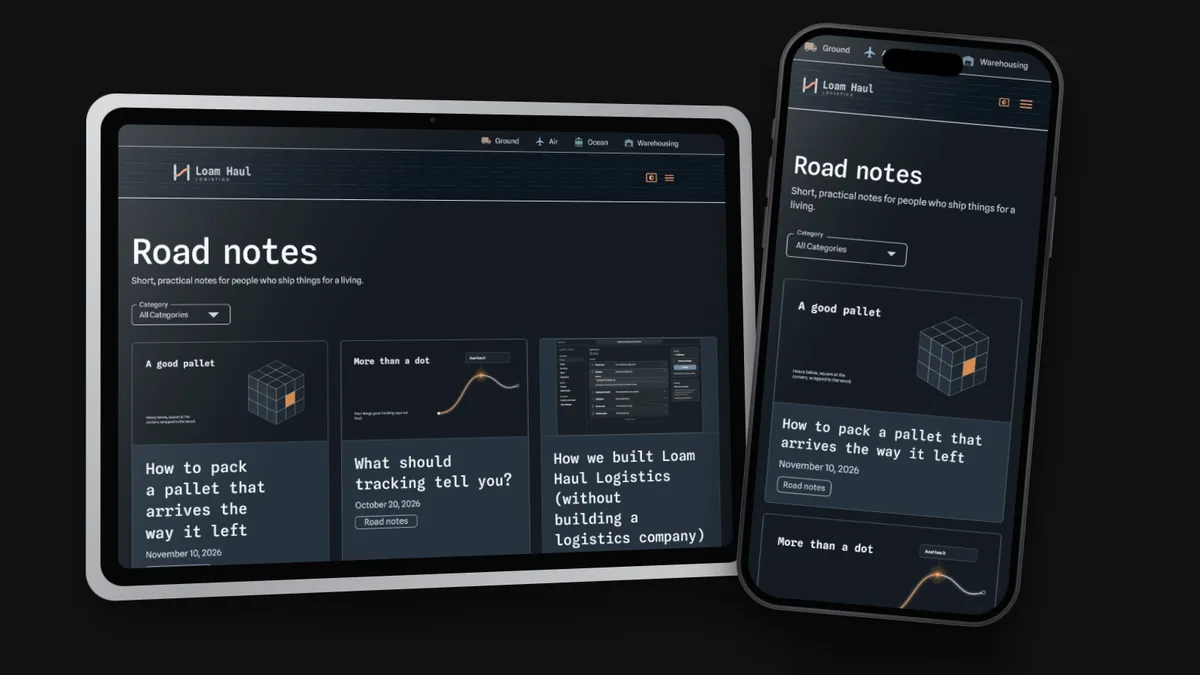
November 17, 2026
Why does a logistics company need a content strategy?
Shippers choose a carrier before they ever call one. Plain articles on routes, packing, tracking and delays put your company on the short list.
Read moreLogistics
Websites for logistics companies that show where things are, and who has them.
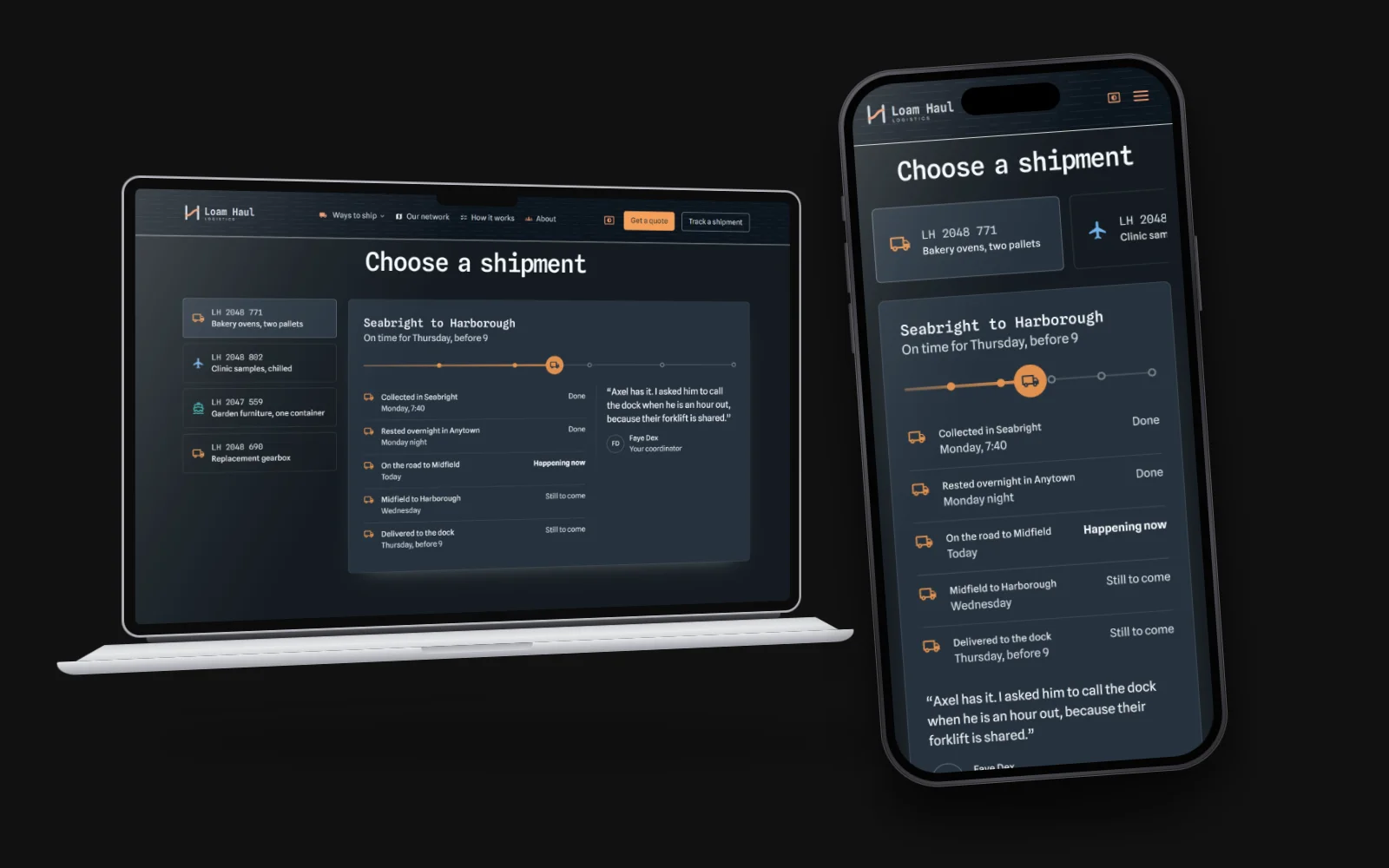
Every leg, the person looking after it and the next event.
What, where and when, with the details a coordinator needs.
Ground, air, ocean and warehousing, each with its own colors.
Shippers do not buy trucks. They buy the feeling that somebody knows where the load is. A logistics website that shows a photo of a truck and a phone number leaves that feeling to the competitor who shows a map.
The information is nearly always there: in dispatch software, in spreadsheets, in the head of a coordinator who answers the same four questions all day. It rarely reaches the website, so customers call to ask.
We build sites that put it in front of them: a network that moves, a tracker that names a person, quote requests that arrive with everything in them, and articles that answer how to ship and how to pack. The calls you still get are the ones worth having.
Who this usually works best for
Anyone who's hired agencies/consultants before
“You deserve straight answers before you spend another dollar or trust another agency.”
Ops / PM / Director
“You shouldn't have to babysit broken systems just to keep the lights on.”
Where we help
Built for coordinators who would rather solve problems than read out locations.
Lanes, stops and shipments drawn from your own data, with a table behind every picture.
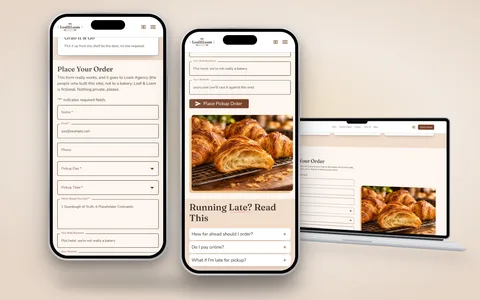
Pieces, weight, places and dates collected up front, sent to the right desk.
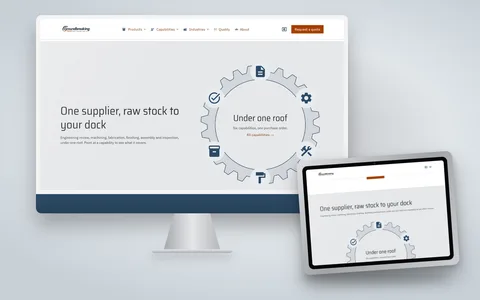
Each service has its own colors, icons and proof, one click apart on every page.
Loam Haul Logistics is a fictional company we built to show all of this on a real, working website.
Logistics
We plan for these from the start, not after launch.
A position that is old is shown as old. Nothing on the site guesses.
Shippers planning next month and receivers waiting today need different first screens.
Recruiting pages that tell the truth about schedules and home time, because drivers read them too.
Usually. If your system has an API or an export, the site can read it. We agree on what is shown, how often it updates and what happens when a source goes quiet.
Yes. Every service can carry its own colors, icons and pictures while sharing one design system, so nothing has to be rebuilt to change it.
No. It is a fictional business Loam built to show what a logistics website can do. The website, its maps, its editor and its blog are real.
Loam Haul Logistics is a fictional logistics company Loam built to show what a logistics company website can do. "Freight by road, air and sea, with a person who answers." The business is invented; the website, its editor and its blog are real.
Shippers choose a carrier before they ever call one. Plain articles on routes, packing, tracking and delays put your company on the short list.
Read moreEvery Loam example site has an annotated tour of itself. Here is what it shows: the headline, the invisible search and AI markup, the security and the build.
Read moreLoam built twelve example websites for fictional businesses. Here is how those sites compare with Wix, Squarespace, WordPress, Webflow, AI-built and custom-coded sites.
Read moreClick below to send us an email and we'll see if it's a fit!